Plateau Does Not Need Another Deployment It Cannot Trust
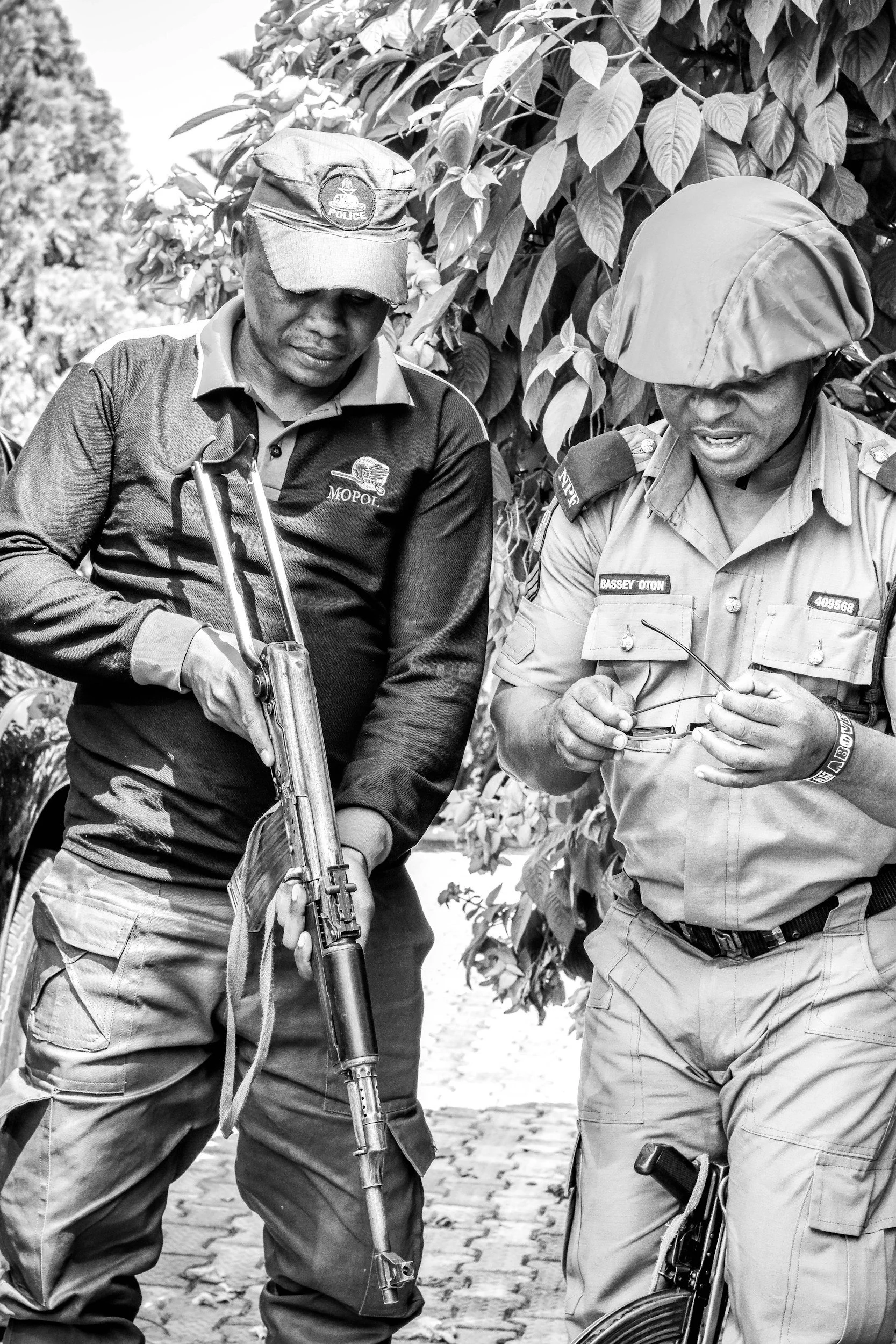
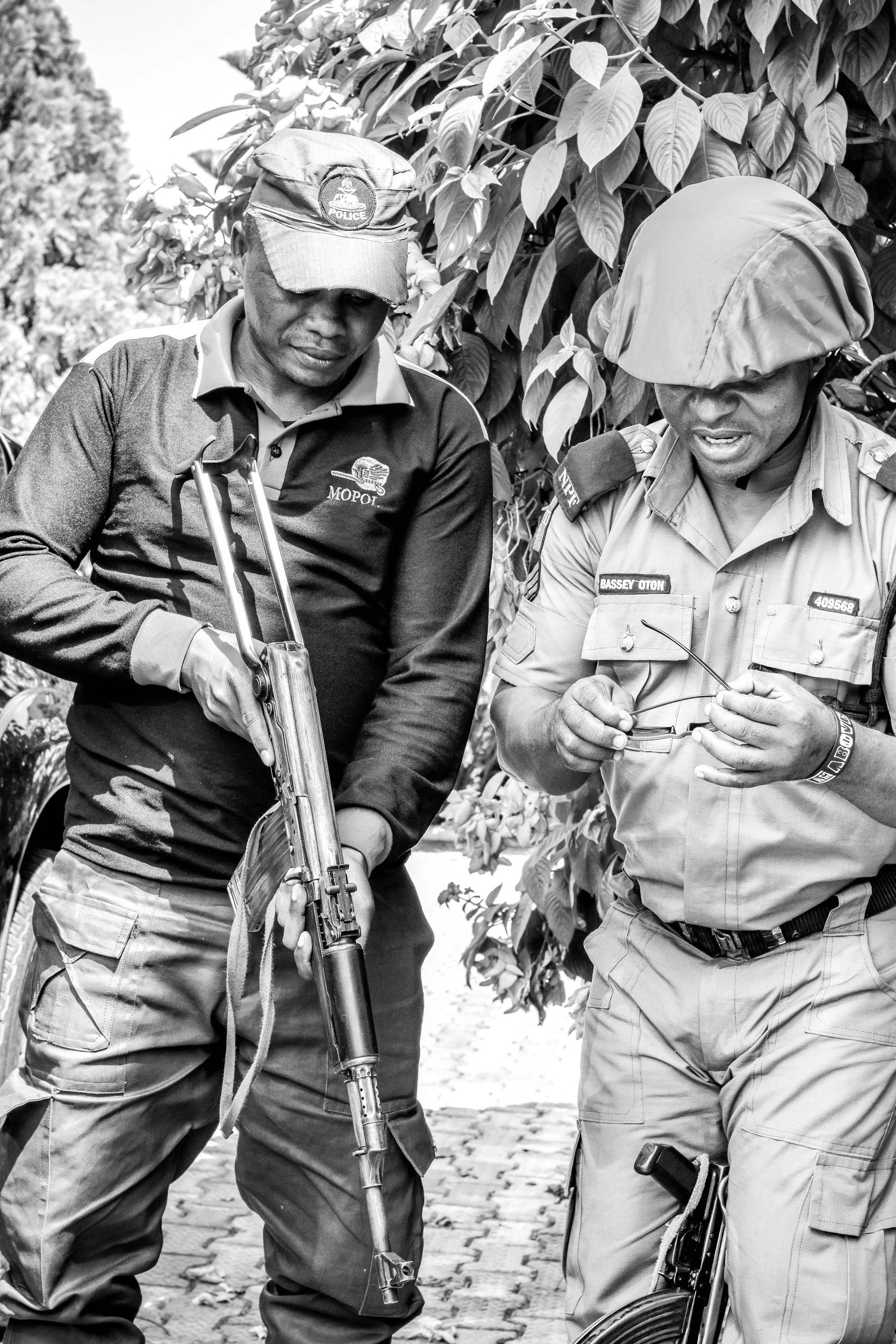
JOS, 26 August 2026 — Fresh attacks in Plateau State have deepened fear while a youth group in Mangu says it has no confidence in the latest military deployment. Reporting from the state also includes allegations of cattle killings and rustling, alongside recurring attacks on communities.
A government cannot simply tell frightened residents to trust a deployment because uniforms have arrived. Nor can a community safely reject every security presence when armed groups remain active. The immediate task is protection. The deeper task is rebuilding enough confidence that warnings are shared, operations are understood and alleged abuses are investigated.
Plateau's violence is sustained by grief, contested narratives, impunity and the speed with which an attack on one group becomes justification for retaliation against another. A credible response must protect farmers and herders, residents and travellers, without treating any identity as proof of guilt.
Deployment is an input, not a security result
Officials often announce more personnel, patrols or checkpoints as evidence that a crisis has been addressed. Those measures can deter attacks, but only if they cover the right places, respond quickly and operate under clear command. Numbers alone do not show whether residents are safer.
The public needs non-sensitive performance information: emergency response times, patrol coverage, arrests transferred for prosecution, weapons recovered through lawful operations and the rate at which displaced residents return safely. Tactical details should remain protected; outcomes should not.
A temporary surge also needs an exit condition. If forces withdraw without local policing, intelligence links and functioning justice, armed actors simply wait. If emergency deployment becomes permanent, communities may live under militarisation without receiving ordinary civilian security.
Trust has specific causes
When residents say they distrust the military, authorities should document why. Are emergency calls unanswered? Do personnel arrive after attackers have left? Are checkpoints accused of extortion? Have previous complaints disappeared? Are arrests seen as selective? Each claim requires evidence and an answer.
The response should not be a public-relations meeting alone. An independent liaison team should log complaints, issue reference numbers and publish anonymised resolution data. Credible allegations of abuse should move to investigation, while demonstrably false claims should be corrected with evidence rather than threats.
Community leaders also carry responsibility. They should condemn attacks on civilians and livestock consistently, not only when their own group suffers. Selective outrage tells young people that violence is wrong only when directed inward.
Every incident needs one evidence standard
Early reports from violent scenes are often confused. Casualty totals change, motives are asserted before investigation and photographs from other events circulate online. Police, hospitals and emergency agencies should agree on a verification protocol and a single public incident register.
The register should record date, location, verified deaths and injuries, property or livestock losses, arrests and case status. It should distinguish allegation from finding. Personal data and sensitive witness information must be protected, but the pattern of violence should be visible.
Consistent records make prevention possible. They can reveal repeat routes, high-risk market days, seasonal patterns and places where response repeatedly fails. They also reduce the political manipulation of casualty figures.
Justice cannot stop at the arrest announcement
After major attacks, security agencies frequently announce arrests. The public rarely learns whether suspects were charged, cases collapsed or the wrong people were detained. That gap allows both impunity and conspiracy theories to grow.
Plateau needs a case-tracking mechanism linking investigators, prosecutors and courts. Non-sensitive updates should identify charges, hearing dates and outcomes. Witness protection and forensic capacity require funding. A rushed arrest that cannot survive court is not accountability.
Compensation should follow transparent rules and should not depend on political access. Families who lose relatives, homes, crops or cattle need a documented route to assistance. Compensation is not a substitute for prosecution, but unequal relief can become another source of grievance.
Local early warning must be safe to use
Residents often see suspicious movement before an attack, but reporting can expose them to retaliation or indifference. A trusted system needs secure channels, trained call handlers, rapid verification and feedback. People stop sharing intelligence when warnings vanish into bureaucracy.
Local networks should include women, transport workers, farmers, herders, market associations and health facilities, not only political or traditional leaders. Different groups observe different risks. Their role is to report, not to conduct armed enforcement.
Authorities must prevent vigilante structures from becoming partisan militias. Recruitment, training, weapons control and discipline should be public and lawful. Community knowledge can support professional security; it cannot replace it.
Land and livelihood disputes need civilian institutions
Some Plateau tensions involve land use, grazing routes, boundaries, theft or access to water. Those disputes require surveys, mediation, courts and enforceable agreements. Deploying soldiers to every disagreement treats governance failure as a battlefield.
State and local governments should digitise land records where appropriate, mark agreed boundaries and create rapid mechanisms for crop or livestock loss claims. Decisions must include appeal rights. Ambiguity benefits people who mobilise identity around private disputes.
Markets and transport links shared by communities can also create incentives for peace. Recovery funding should restore livelihoods across affected groups under published criteria. Assistance seen as collective punishment or reward will harden division.
What the next 90 days should produce
The state and security agencies should publish a joint protection plan with one civilian contact point, an anonymised incident register, complaint procedures and monthly performance updates. Prosecutors should review unresolved major cases and explain which require additional evidence.
Independent religious, professional and community figures can observe implementation, but they should not replace elected authority. Their value is to test whether information reaches residents and whether commitments are honoured.
After 90 days, government should report what changed: response times, incidents, prosecutions, displaced returns and unresolved complaints. If the deployment is not working, commanders and methods should change rather than repeating assurances.
Media access should be organised without turning trauma into spectacle. Journalists need safe routes to verify claims, while survivors need privacy and time. Authorities should correct false information promptly and release maps or timelines when they can do so safely. Restricting all access leaves the information space to partisan accounts; unrestricted access can compromise witnesses and operations.
Religious and political leaders should sign and practise a common communication standard: no unverified casualty figures, collective blame or calls for retaliation. Breaches should be challenged by allies as well as opponents. Peace messaging has little value when leaders condemn inflammatory language only from the other side.
TalkTalkNigeria's view: trust must be earned under pressure
The youth rejection of deployment is a warning, not a security policy. Residents cannot be protected by distrust alone. The military's presence is also not proof of effectiveness. Both realities must be held together.
Authorities should protect every community, investigate every credible allegation and publish enough evidence for citizens to see whether the mission is improving. Leaders on all sides should reject retaliation without qualification.
Plateau needs fewer cycles in which an attack produces deployment, deployment produces resentment and resentment produces silence before the next attack. Trust will return when warnings receive action, crimes reach court and protection is visibly impartial.
Read next: The Cost Of Insecurity Is Showing Up In Every Market and Every Governor Is Promising Massive Votes, And None Of Them Can Deliver That.
Sources: Guardian Nigeria's 25 August report on fresh incidents and the deployment dispute. Claims from community groups and associations remain allegations unless confirmed by police, courts or independent investigation.